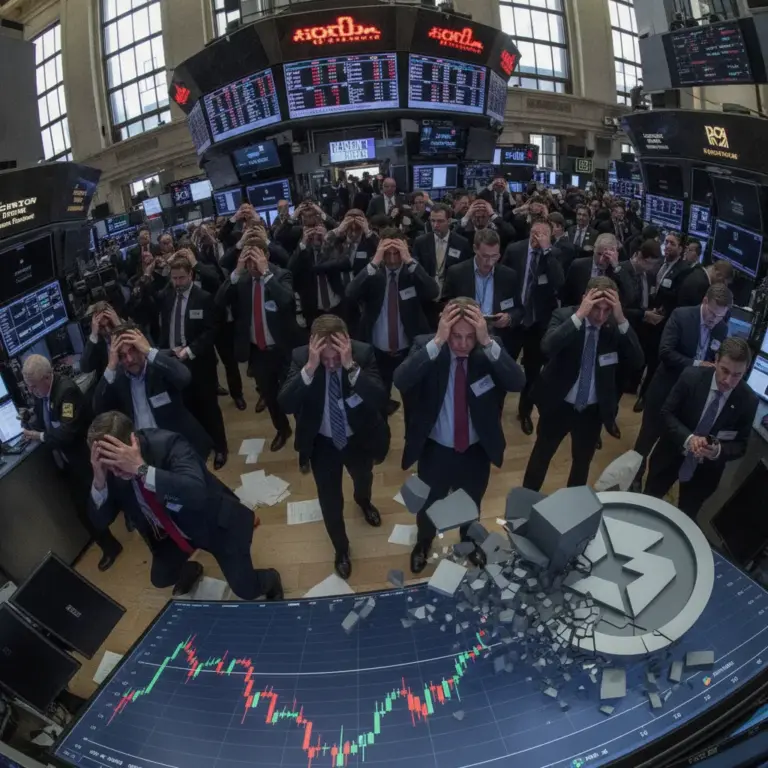
For decades, American banking has rested on the bedrock of federal protection. Since the Great Depression, the FDIC has ensured that if a bank fails, depositors are shielded up to 250,000 dollars by the power of the U.S. Treasury. However, as millions of people shift their wealth into digital currencies, they are discovering that this safety net simply does not exist in the crypto world. This vulnerability was highlighted recently when Binance, the worlds largest crypto exchange, suffered a massive breach resulting in an estimated 6.3 billion dollars in losses. While some funds have since been frozen and the company has pledged to make users whole, these promises remain voluntary rather than legal obligations.
Industry experts warn that relying on an exchanges promise to repay funds is a precarious strategy. Unlike traditional banks, crypto platforms are not legally mandated to provide insurance for their clients. Professor Josephine Wolff of Tufts University notes that there are currently no legal protections equivalent to FDIC insurance for digital assets. If an exchange lacks the liquidity to cover a loss or chooses not to honor its word, victims may find themselves navigating complex lawsuits or bankruptcy proceedings with no guarantee of recovery. Even when stablecoin issuers like Tether or Circle step in to freeze stolen assets, such interventions cannot help those holding decentralized coins like Bitcoin, which possess no central authority capable of reversing a transaction.
Beyond large scale corporate breaches, individual investors face an even steeper climb toward recovery. Security professionals explain that while an exchange might absorb a systemic failure to save its reputation, it rarely takes responsibility for personal lapses like phishing attacks or stolen passwords. In these cases, there is no manager to call and no credit card charge to dispute because blockchain transactions are final by design. Once a private key is compromised or funds are sent to a fraudulent address, those assets are effectively gone forever unless the thief decides to return them.
To mitigate these risks, many seasoned investors move their holdings off exchanges and into offline cold storage_ however, this transition merely swaps one set of dangers for another. Moving coins away from a corporation removes the risk of platform insolvency or institutional hacking but places the entire burden of security on the individual. A lost hardware device or a misplaced backup phrase can result in total permanent loss of wealth without any path for recourse. Ultimately, as cybercriminals continue to refine their methods and target high value pools of capital, investors must realize that entering the crypto market means accepting a level of risk that traditional finance spent nearly a century trying to eliminate.