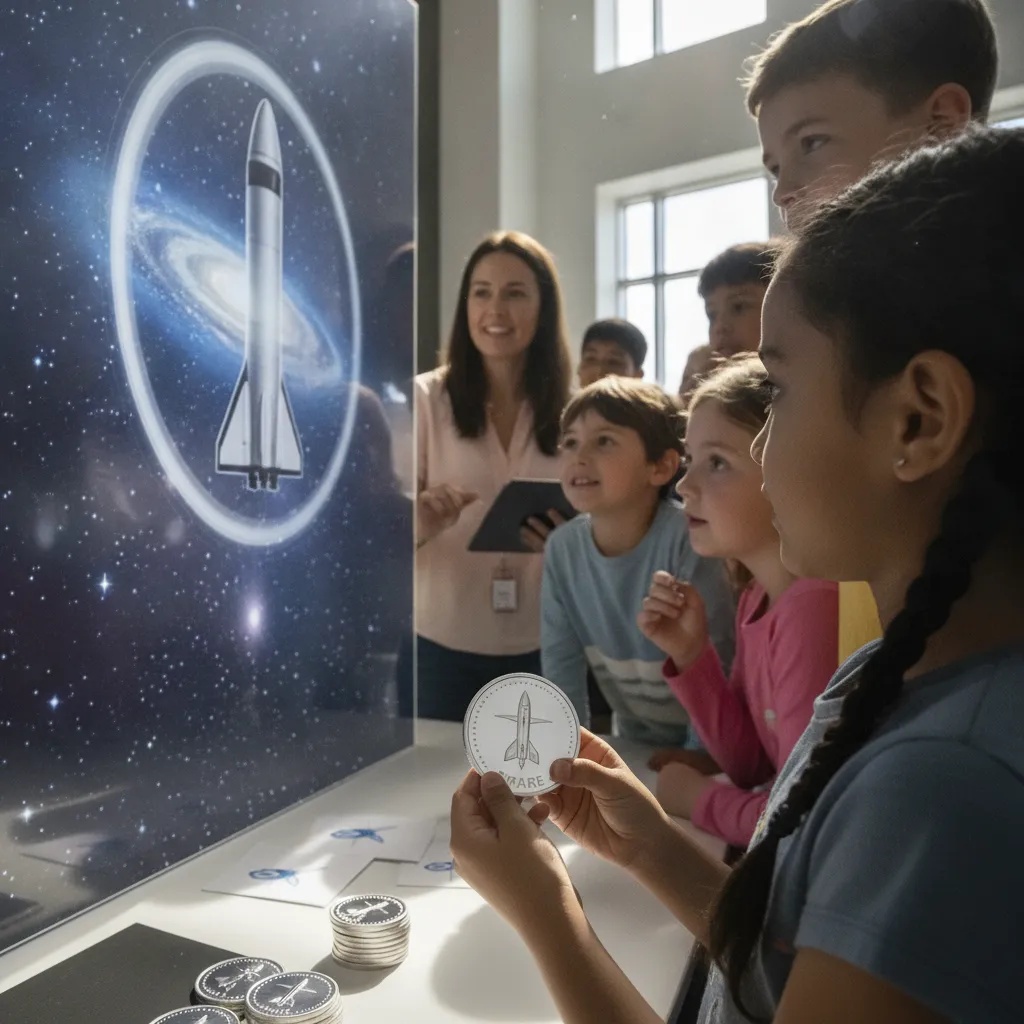
Elon Musk has announced an ambitious plan to grant every child in the United States a stake in his aerospace company, SpaceX. Posting the news late Monday night on X, Musk described the move as the first of many donations intended to bring young Americans into the fold of corporate ownership. With approximately 72 million children in the U.S., providing one share to each would represent a valuation of roughly 10.7 billion dollars based on recent closing prices. While this is a staggering sum, it represents only a small fraction of Musk’s overall holdings in the company.
The logistics of this massive distribution will rely on Trump Accounts, which are tax advantaged investment vehicles for eligible children launched earlier this summer. Former President Donald Trump praised the initiative, noting that these accounts were specifically designed to bridge the gap between the private sector and youth investment. To prevent immediate liquidation, current Treasury rules dictate that donated shares typically cannot be sold for five years. This ensures that the gifts act as long term investments rather than instant cash payouts. Other wealthy figures have already joined similar philanthropic efforts, including Michael and Susan Dell, who contributed billions toward children in lower income areas.
While gifting equity may seem like a modern approach to billionaire philanthropy, history offers various examples of mass ownership experiments with mixed outcomes. In the 1990s, several Eastern European nations attempted rapid privatization by giving citizens vouchers to claim shares in formerly state owned companies. However, because many people faced extreme economic instability at the time, they often sold their valuable certificates for quick cash rather than holding onto them for future growth. Similarly, Alaska explored wide scale corporate ownership proposals in the seventies before eventually settling on its famous permanent fund dividend system which provides direct cash payments funded by oil royalties.
More recently, Kuwait found success with a similar model during its 2019 privatization of Boursa Kuwait, where citizens were allowed to purchase stakes at very low entry prices and subsequently saw significant returns once shares hit the public market. As Musk moves forward with his plan for SpaceX, economists suggest that while such gestures provide an incredible opportunity for wealth building, they tie a child’s financial future to the volatility of a single company’s performance_