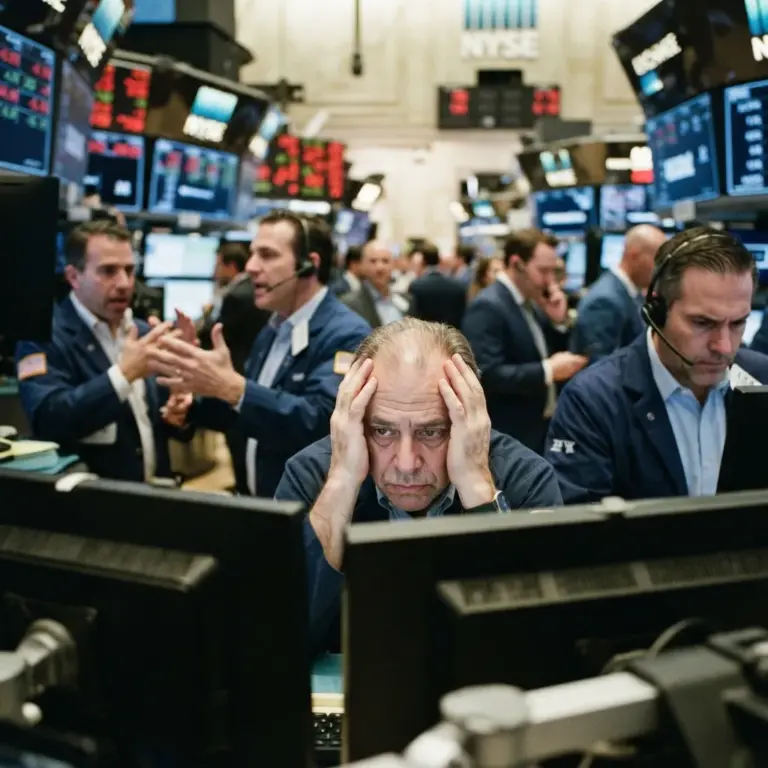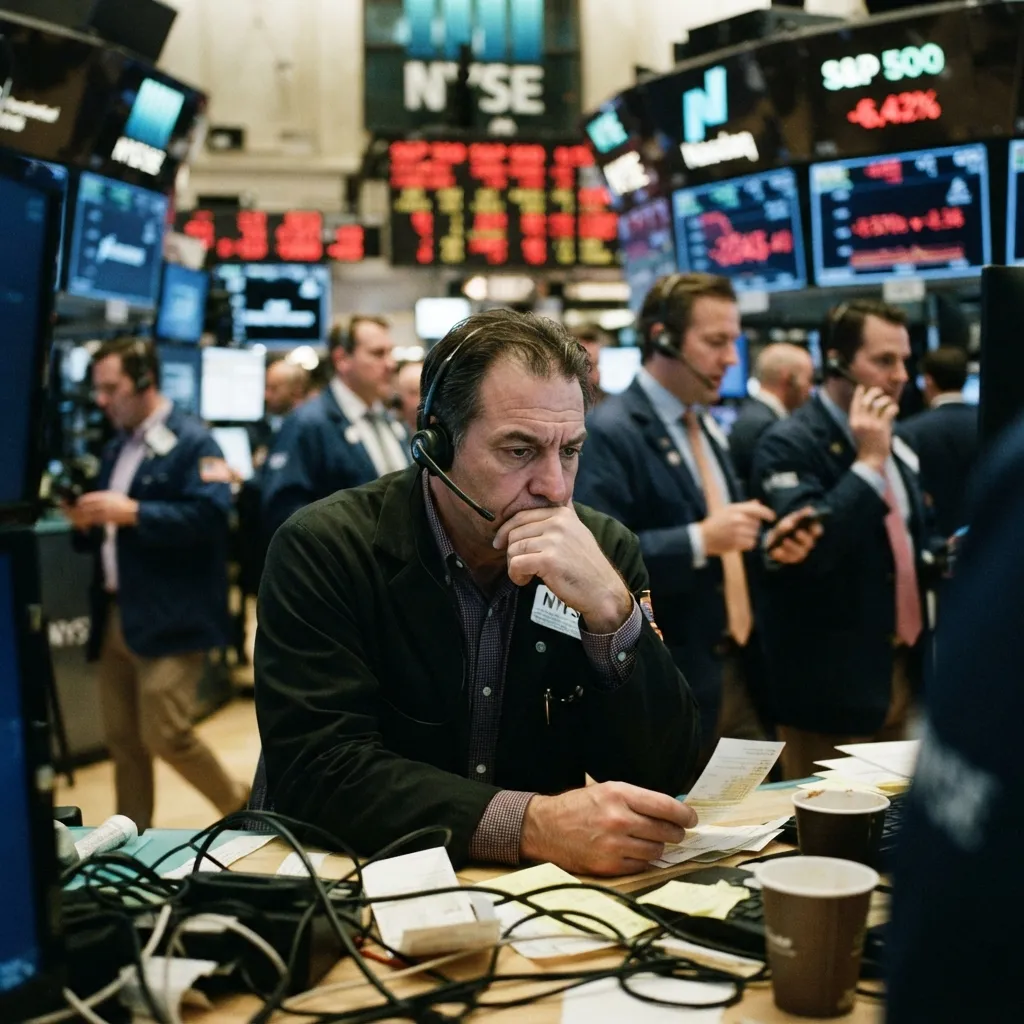
The recent turmoil hitting Wall Street has left many investors feeling uneasy as both the S&P 500 and the Nasdaq 100 have tumbled well below their previous peaks. A particularly sharp decline on November 5 saw the S&P 500 drop over four percent, marking its worst single day since early 2025, while the Nasdaq 100 slid further into correction territory. Much of this anxiety stems from fears that a slowdown in artificial intelligence spending could stifle broader economic growth and potentially trigger a full scale bear market, forcing investors to question whether the era of easy gains from tech giants is finally winding down.
Despite the volatility, seasoned analysts suggest that these dips represent prime buying opportunities for those with a horizon stretching toward 2030. For those seeking a foundational approach, the Vanguard S&P 500 ETF remains a gold standard due to its low cost and broad reach across the largest U.S. companies. While some worry about the heavy concentration of tech stocks within this index, proponents argue that its inherent structure naturally evolves to favor whichever sector drives future economic revolutions, making it an ideal starting point for any long term portfolio.
Investors who still believe in the enduring power of AI may find value in the Invesco QQQ ETF. Although it has faced a significant correction recently, it offers a chance to acquire shares of leading innovators at a steep discount compared to just a few weeks ago. However, because this path requires a stronger stomach for swings in price, others might prefer the Invesco S&P 500 Equal Weight ETF. By giving every company in the index an equal share regardless of size, this fund reduces reliance on Big Tech and capitalizes on a rotating market where sectors like healthcare and utilities are beginning to shine.
Finally, there is a compelling case for venturing beyond large cap stocks through the Vanguard S&P Small-Cap 600 ETF. Because this specific fund filters for profitability rather than blindly tracking all small businesses, it provides a quality lean that protects against failing firms. With small caps having lagged behind their larger counterparts for years, they are now viewed as undervalued assets poised for a comeback. Together, these diverse strategies allow investors to hedge their bets against AI fatigue while positioning themselves for steady growth over the next decade.