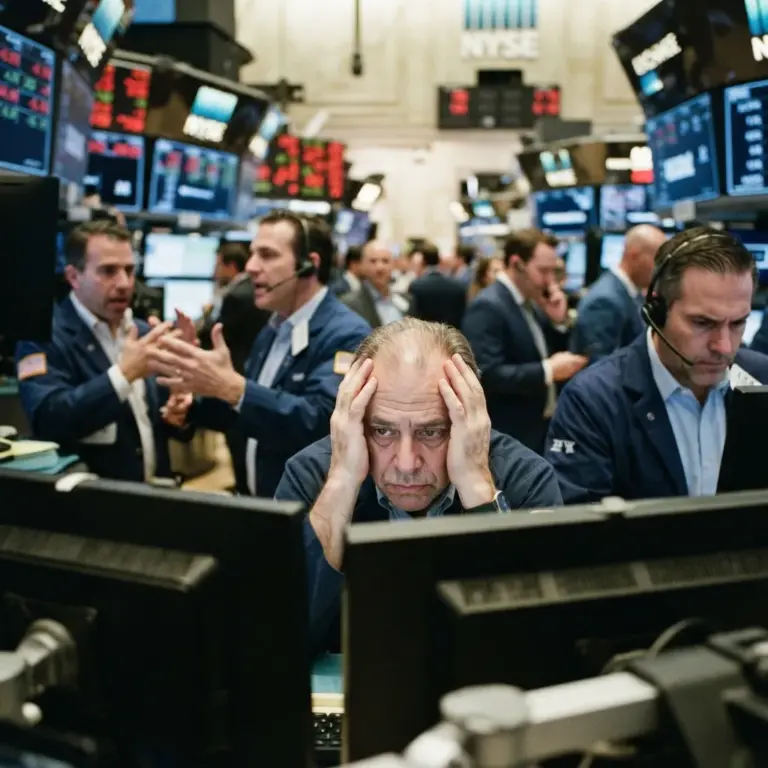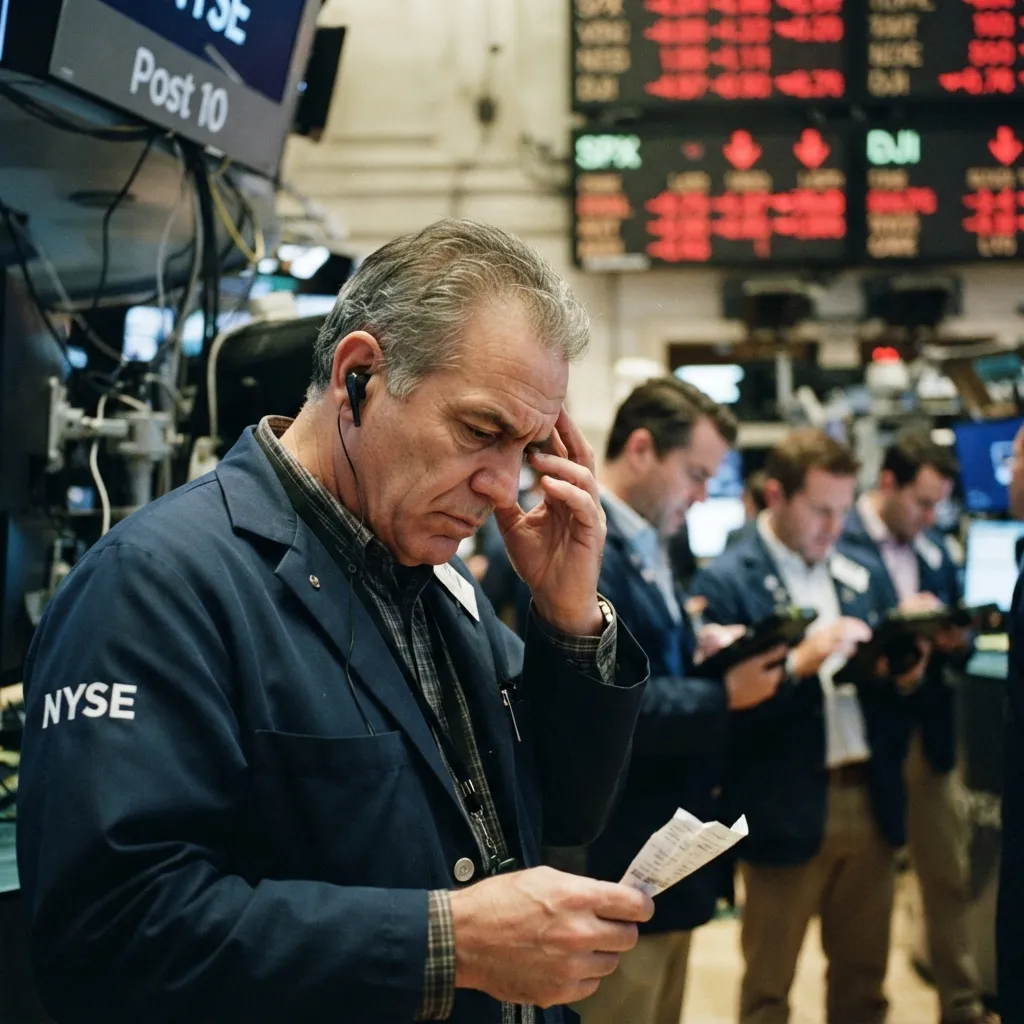
The current volatility across the S&P 500 and the Dow has left many investors feeling uneasy, with indices dipping into correction territory and the Nasdaq flirting with a bear market. When red numbers dominate the screen, the instinct to flee toward the safety of cash is powerful. However, retreating to the sidelines now could prove to be a devastatingly expensive decision for those playing the long game.
Historical data suggests that trying to time the market is nearly impossible. According to research from JPMorgan Chase, staying fully invested over a twenty year period yielded an average annual return of eleven percent. In contrast, investors who missed just ten of the market’s best days saw their returns plummet to six and a half percent. Perhaps most surprising is that these peak growth days often occur immediately following some of the worst crashes, meaning those who exit during a panic frequently miss the recovery entirely.
Rather than selling in fear, seasoned investors view these dips as strategic opportunities. Now is the time to audit your portfolio and double down on high conviction stocks that have dropped simply because of broad market trends rather than internal failures. Aggressively reinvesting dividends and maintaining a curated shopping list of undervalued companies allows you to follow Warren Buffett’s timeless advice to be greedy when others are fearful.
Of course, this strategy requires one essential condition: you must not need this capital in the immediate future. While markets historically recover and provide positive returns over any rolling twenty year window, they can remain stagnant or volatile for years at a time. For those who can afford to wait, history proves that time spent in the market consistently outperforms attempts to time its movements.