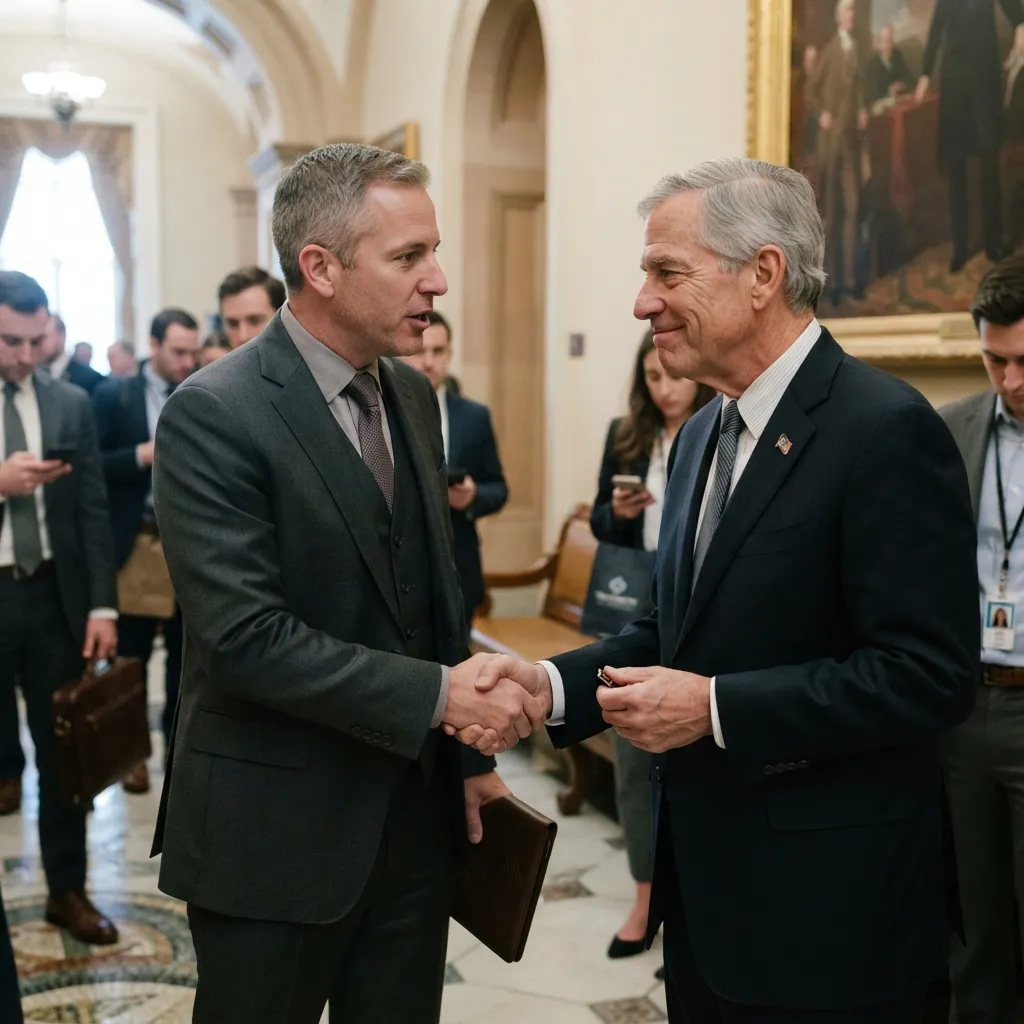
Digital asset advocates poured a staggering 168 million dollars into the latest election cycle, betting heavily on a slate of candidates who would champion the future of blockchain and stablecoins. While the financial blitz successfully secured seats for 78 candidates, the victory is more about preservation than revolution. Five out of every six winners are seasoned veterans returning to Washington, meaning the industry largely succeeded in keeping its existing allies in power rather than fundamentally reshaping the legislative landscape.
Among the wins, thirteen newcomers stand out as potential game changers. Unlike the incumbents, these fresh faces entered Congress via primaries fueled by heavy outside spending, including millions directed toward candidates like Adrian Boafo and Jasmine Clark. For the crypto lobby, these individuals represent a strategic pivot; they replace predecessors who had previously voted against key market structure and stablecoin bills. By installing members with pro-crypto records at the state level or explicit campaign promises regarding digital wallets, the industry hopes to flip critical votes on upcoming federal regulations.
However, the massive spending spree also highlighted the limits of financial influence, most notably in a bruising battle over Ohio’s Senate seat. In one of the most expensive failures of the cycle, crypto super PACs dumped roughly 64 million dollars into an attempt to elect Jon Husted and defeat Sherrod Brown. Despite accounting for nearly 40 percent of all tracked spending across five major PACs, the effort fell flat as Brown secured his win. This singular loss underscores a harsh reality for digital asset donors: while money can protect allies and plant seeds with newcomers, it cannot always override a determined opponent.