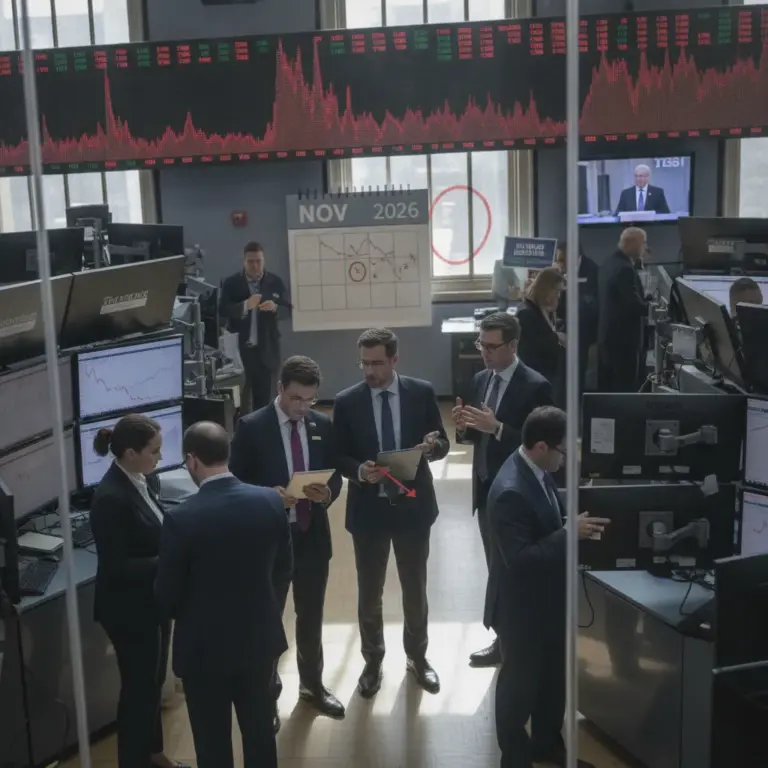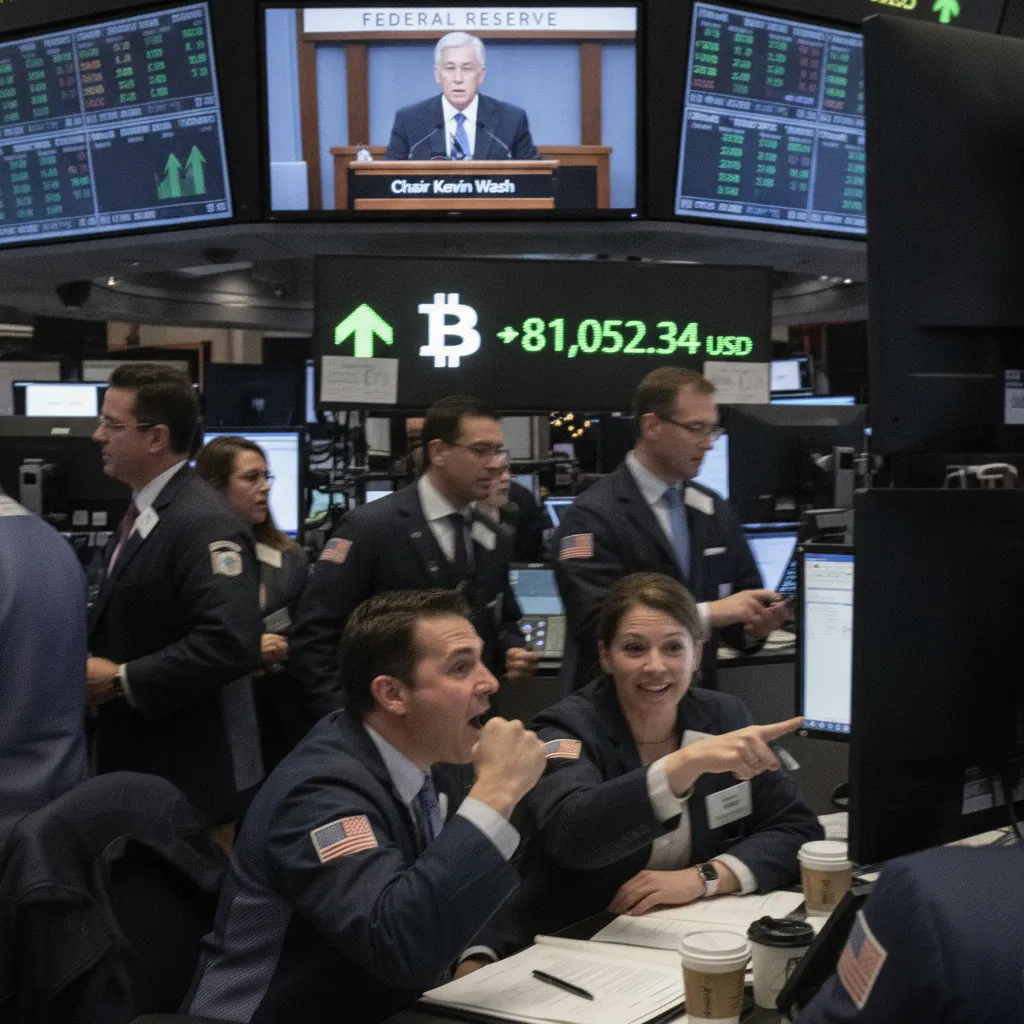
Bitcoin climbed back above the 81,000 dollar mark on Monday, recovering quickly after a brief dip below the 80,000 threshold earlier in the week. This upward momentum comes as investors keep a close eye on the Federal Reserve’s upcoming announcement regarding U.S. interest rates. While current projections suggest a high probability that rates will remain unchanged, traders are searching for hints of future policy shifts during Chair Kevin Wash’s scheduled press conference. Adding to the bullish sentiment, U.S. spot bitcoin ETFs saw two consecutive days of growth, bringing in another 176 million dollars on Tuesday.
The crypto surge mirrored a broader rally in Asian markets, particularly within the artificial intelligence sector. South Korea’s Kospi index leaped over six percent, fueled largely by an eleven percent spike in SK Hynix shares following a massive jump in profits. Interestingly, while traditional AI stocks soared and Nasdaq futures ticked higher, many AI-linked cryptocurrency tokens struggled to maintain pace, failing to mirror the excitement seen in equity markets for a second straight day.
Within the altcoin space, memecoins emerged as the clear leaders of the pack. Pepe surged nearly ten percent after reports surfaced that wallets linked to Tron founder Justin Sun hold roughly 51 million dollars worth of the token. Other popular assets like Floki and Dogecoin also posted gains, contributing to a general lift across the CoinDesk Memecoin Index despite slower movement in decentralized finance tokens.
Technical data suggests that this latest climb was driven more by active buying than by risky leveraged bets. Trading volumes for crypto futures rose significantly, yet overall open interest remained relatively flat, indicating that participants were trading heavily without substantially increasing their exposure to risk. Meanwhile, options market data reveals that immediate fear is subsiding, as demand for short-term downside protection has dropped sharply over the last week.