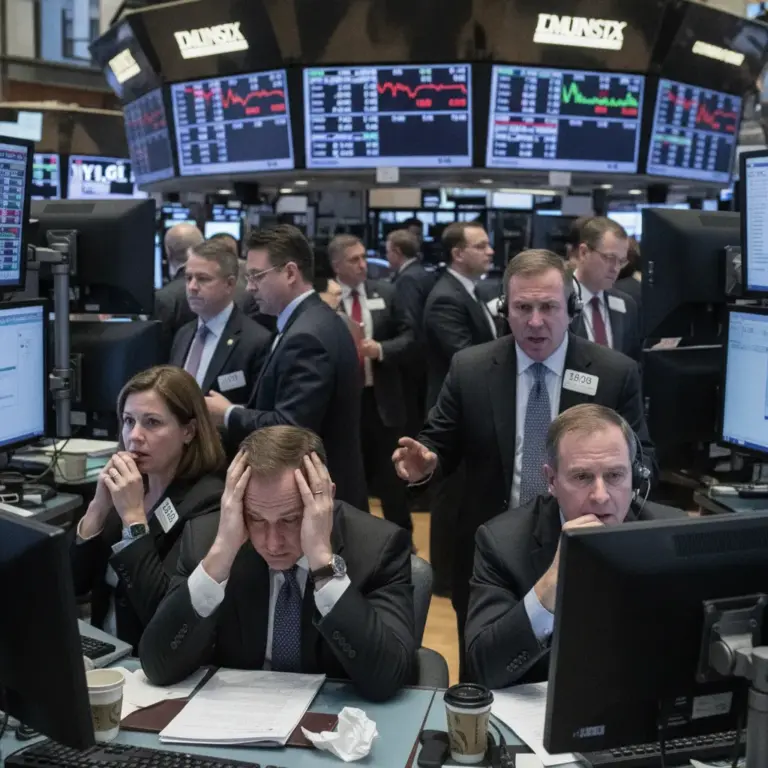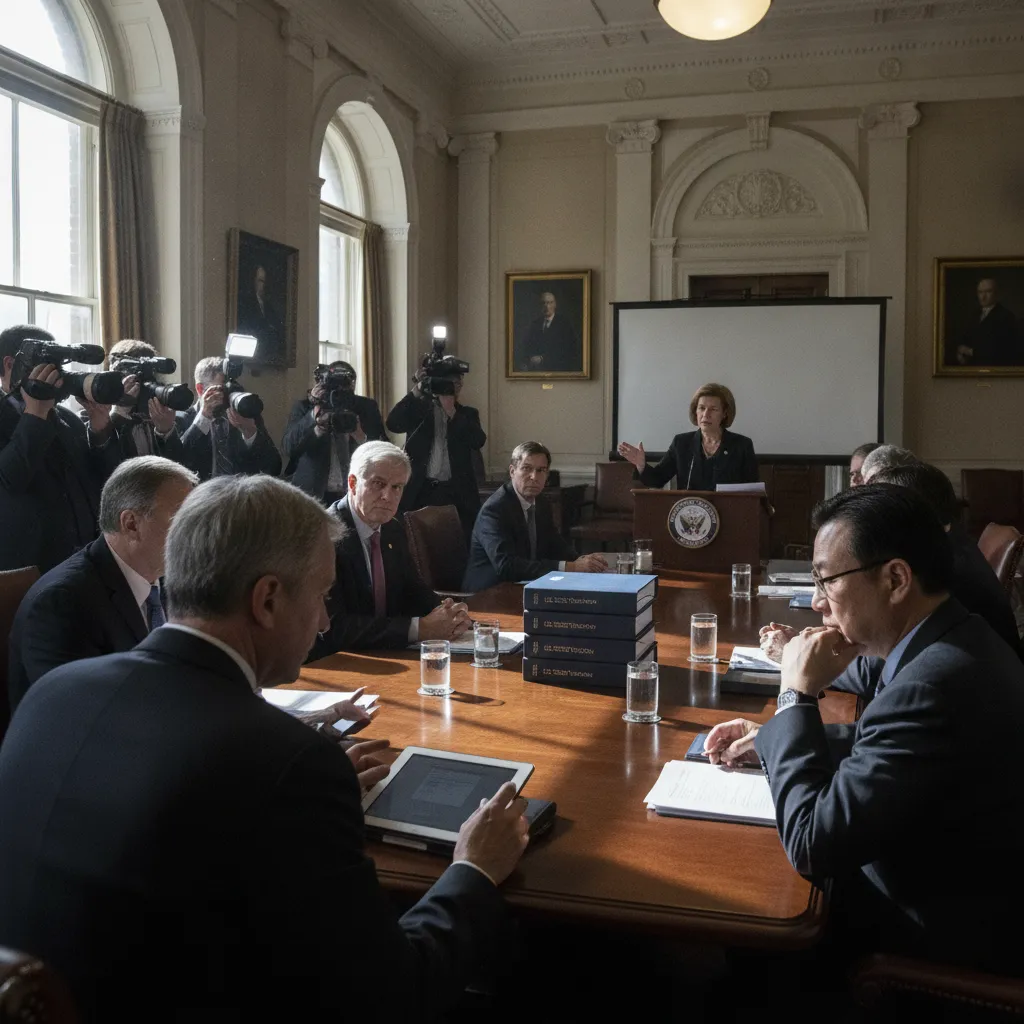
The U.S. Treasury Department has unveiled a sweeping new proposal aimed at blocking American capital from fueling the military and technological advancements of geopolitical adversaries. By targeting investments in cutting edge fields like supercomputing, biotechnology, and what the administration calls superintelligence, the government seeks to ensure that U.S. money does not inadvertently strengthen the defense capabilities of nations including China, Russia, North Korea, Iran, and Cuba. This move represents a significant expansion of previous efforts to treat financial flows with the same scrutiny as physical technology transfers.
This latest regulatory push follows a trajectory that began under the Biden administration but was recently codified and broadened by Congress through the Comprehensive Outbound Investment National Security Act. While the rule specifically targets high stakes sectors like hypersonic systems and artificial intelligence, it includes certain carve outs to avoid disrupting general market activity. For instance, most standard stock purchases remain exempt, and the strict reporting requirements will primarily trigger for investments exceeding 50 thousand dollars. Legal experts suggest this shift will force firms to develop much more robust internal compliance programs to avoid steep penalties.
The timing of the announcement adds a layer of political complexity, arriving shortly after President Trump waived certain sanctions on Russia following a diesel agreement with Vladimir Putin. Despite those diplomatic pivots, analysts argue that these investment curbs send a clear message to global markets that Washington is closely monitoring how American wealth contributes to foreign military power. The strategy acknowledges that funding research and development abroad can be just as impactful as shipping hardware across borders.
Beijing has reacted sharply to the proposal, with the Chinese Foreign Ministry accusing the United States of abusing the concept of national security to interfere in legitimate business operations. Spokespeople for the Chinese government warned that such discriminatory measures serve no one’s interest and vowed to protect their own economic stability in response. As the world’s two largest economies continue their volatile dance of tariffs and truces, this newest measure signals that the battle for technological supremacy remains a top priority regardless of broader diplomatic negotiations.