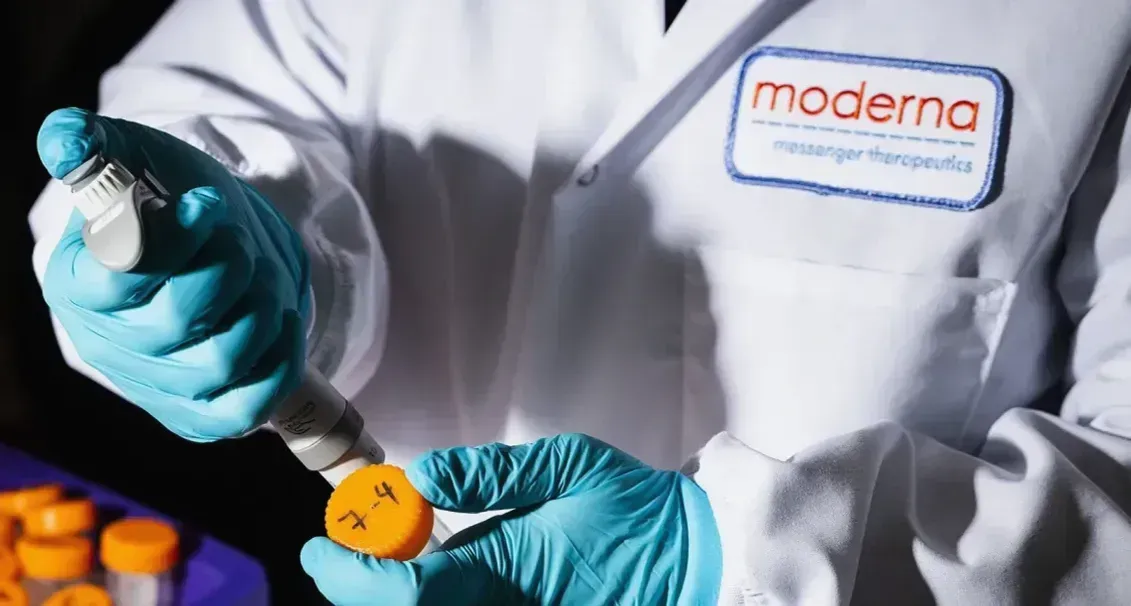
Medical researchers are hailing a potential game changer in oncology following a late stage clinical trial of a personalized mRNA vaccine designed to prevent melanoma from returning. Developed through a partnership between Moderna and Merck, the experimental treatment known as intismeran reduced the risk of cancer recurrence and death by 42 percent when used alongside standard immunotherapy. The results, which will be presented at the European Society for Medical Oncology meeting in Madrid, suggest a significant leap forward in using genetic tailoring to combat late stage skin cancer.
Unlike traditional medications available on a pharmacy shelf, intismeran is custom built for every individual. Doctors sequence the genome of a patient’s excised tumor to identify unique abnormal proteins called neoantigens. This information is then used to create an mRNA vaccine that trains the immune system to recognize and destroy any lingering cancer cells that might have survived surgery but remained invisible to scans. While many patients already receive the immunotherapy drug Keytruda to mobilize T cells, adding the personalized vaccine appears to create a more targeted army of killer T cells specifically tuned to the patient’s own tumor fingerprints.
The trial involved over 1,100 patients with Stage 3 melanoma, all of whom had undergone surgery. Those receiving both Keytruda and the vaccine showed an 82 percent recurrence free rate after two years, compared to 70 percent for those receiving only the immunotherapy and a placebo. Experts note that since Stage 3 cancer has already reached lymph nodes, preventing its return is critical; once it recurs, it is far more likely to spread to distant organs. Furthermore, the vaccine displayed a manageable safety profile, with most side effects limited to mild fevers and soreness at the injection site.
Despite the enthusiasm from clinicians, some experts urge cautious optimism regarding the therapy’s immediate impact on the market. Critics point out that producing bespoke vaccines takes time—averaging about nine weeks per patient—and requires substantial tumor samples that aren’t always available for every patient. There are also questions about whether these gains represent a medical blockbuster or a specialized tool for a smaller subset of people. Regardless of these logistical hurdles, specialists believe this success provides much needed momentum for the broader field of cancer vaccines during a period of mixed results across other types of malignancy.