For decades, the paper check was a staple of American life, used for everything from monthly rent to grocery runs. However, consumer advocates and fraud experts now warn that continuing this habit is essentially handing a roadmap of your finances to criminals. While the overall volume of checks in circulation has plummeted to just three percent of all U.S. payments, the danger has paradoxically increased because the remaining checks tend to be for much larger sums. Modern thieves aren’t looking for small change; they are hunting for five figure payouts meant for contractors or tax bills.
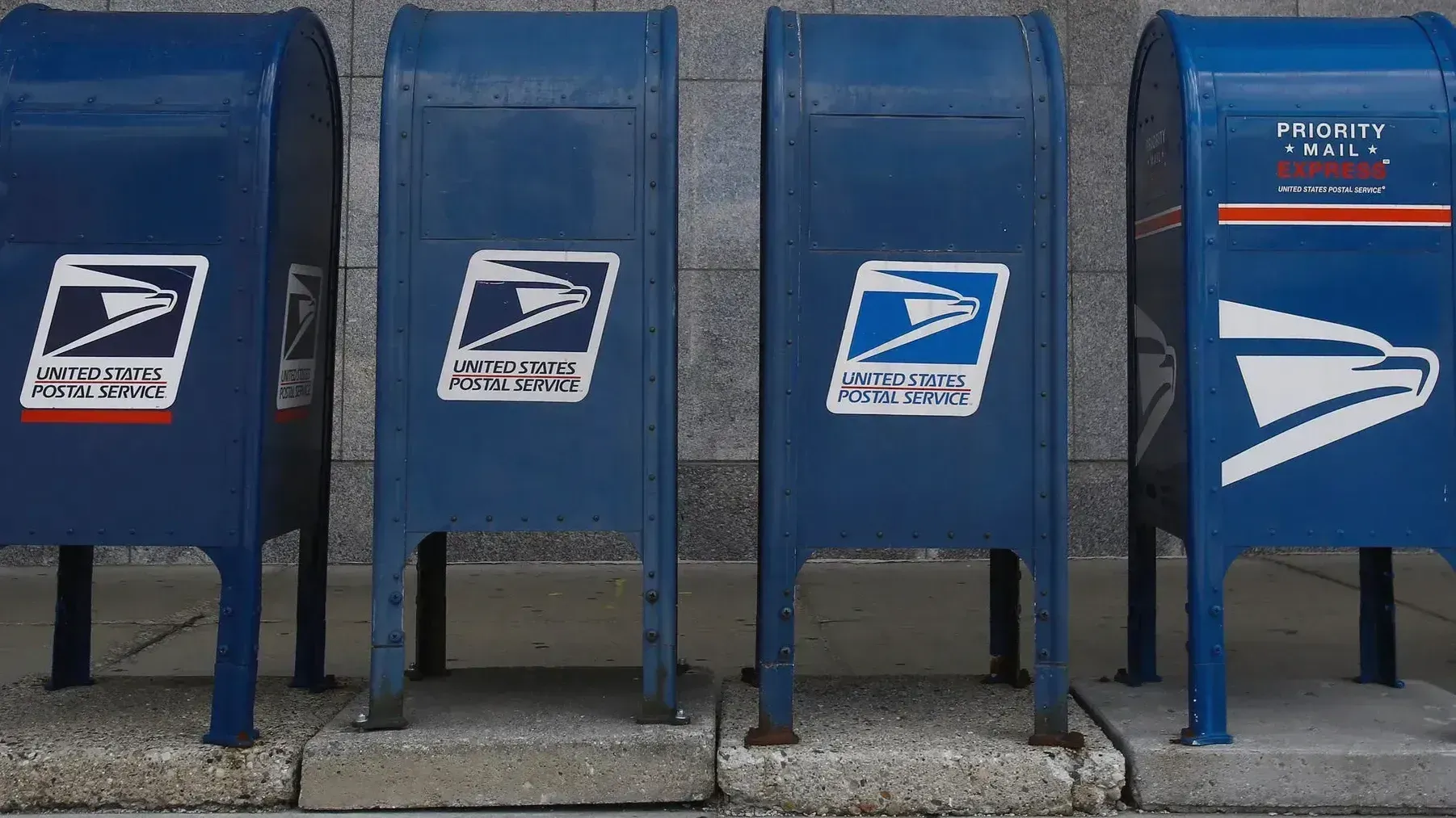
The threat has evolved far beyond the lone opportunistic thief. Organized criminal gangs now use sophisticated technology to intercept mail from residential boxes and USPS drops on a massive scale. Once a check is stolen, fraudsters employ chemical washing techniques using household items like acetone or bleach to erase names and amounts while leaving the original signature intact. This allows them to rewrite the check for any amount they desire or simply sell the sensitive routing and account numbers on the dark web.
While transitioning to digital payments can feel daunting for those uncomfortable with technology, experts argue that almost any electronic alternative is safer than the mail. Secure online portals provided by businesses and banks offer encrypted layers of protection that a piece of paper simply cannot provide. Even automated bill pay services through banking apps reduce risk by limiting how many times a physical document enters the postal stream where it remains vulnerable to theft.
For those who absolutely must rely on paper checks, specialists recommend several defensive measures to harden their documents against attack. Using indelible ink instead of standard ballpoint pens makes chemicals less effective at erasing text, while filling every available blank space prevents scammers from adding extra zeros to a payout. Perhaps most importantly, experts advise against leaving outgoing mail in home boxes overnight, suggesting instead that users take their envelopes directly into a post office to minimize the number of hands touching their private financial data.