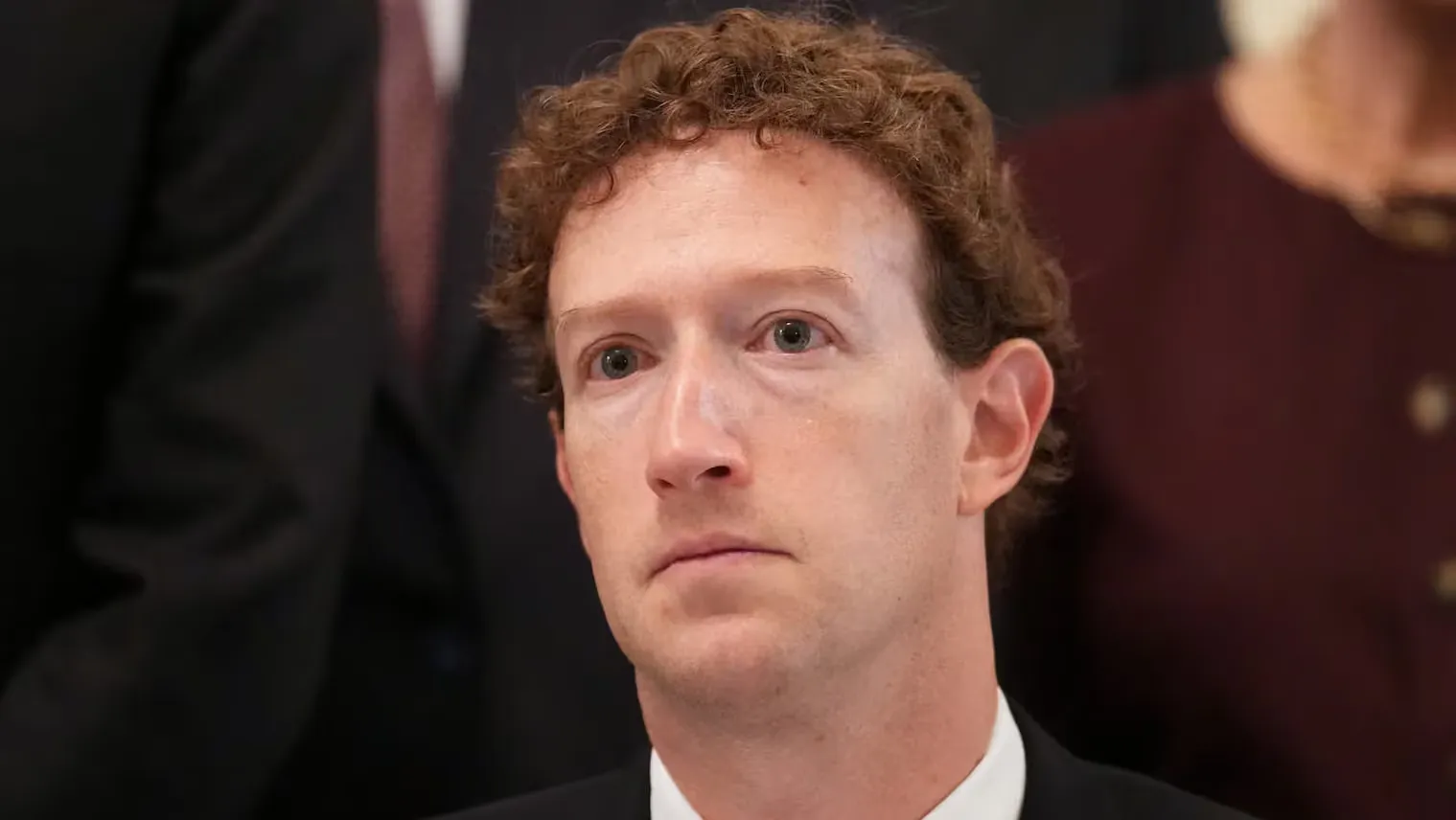
Mark Zuckerberg has reached a strategic agreement with the board at Meta to ensure he can cover a massive potential tax bill without sacrificing his control over the social media empire. According to recent regulatory filings, the move comes as California voters prepare to decide on a proposed measure that would impose a one-time five percent tax on residents with a net worth exceeding one billion dollars. With a fortune estimated at over two hundred twenty billion dollars, Zuckerberg could face a staggering eleven billion dollar liability if the measure passes in November.
To manage this risk, Meta is introducing a new class of non voting shares that Zuckerberg can sell for any reason, including settling these prospective debts. This arrangement allows him to liquidate assets while maintaining his status as the company’s majority owner. The deal follows a period of uncertainty where Zuckerberg reportedly considered selling his Palo Alto home to brace for the tax impact. He has now committed to remaining a California resident for at least eight years, provided no major unforeseen circumstances force him elsewhere.
The proposal has sparked a fierce debate between those who believe the ultra wealthy should contribute more to public services and those who fear such taxes drive investment out of the state. While proponents like Senator Bernie Sanders argue the funds are vital for healthcare and education, critics including Governor Gavin Newsom have warned about a possible exodus of billionaires. Some tech titans, including Google founders Larry Page and Sergey Brin, have already begun distancing themselves from the state or pouring millions into campaigns to defeat the measure.
Meta is framing this financial restructuring not just as a personal favor to its CEO but as a broader corporate strategy. CFO Susan Li noted that the new share structure will provide more flexibility for employee compensation and critical investments in artificial intelligence infrastructure. Meanwhile, supporters of the tax see Zuckerberg’s commitment to stay in California as proof that fears of a mass billionaire flight are exaggerated, suggesting that even the richest individuals can find ways to coexist with higher levies on extreme wealth.