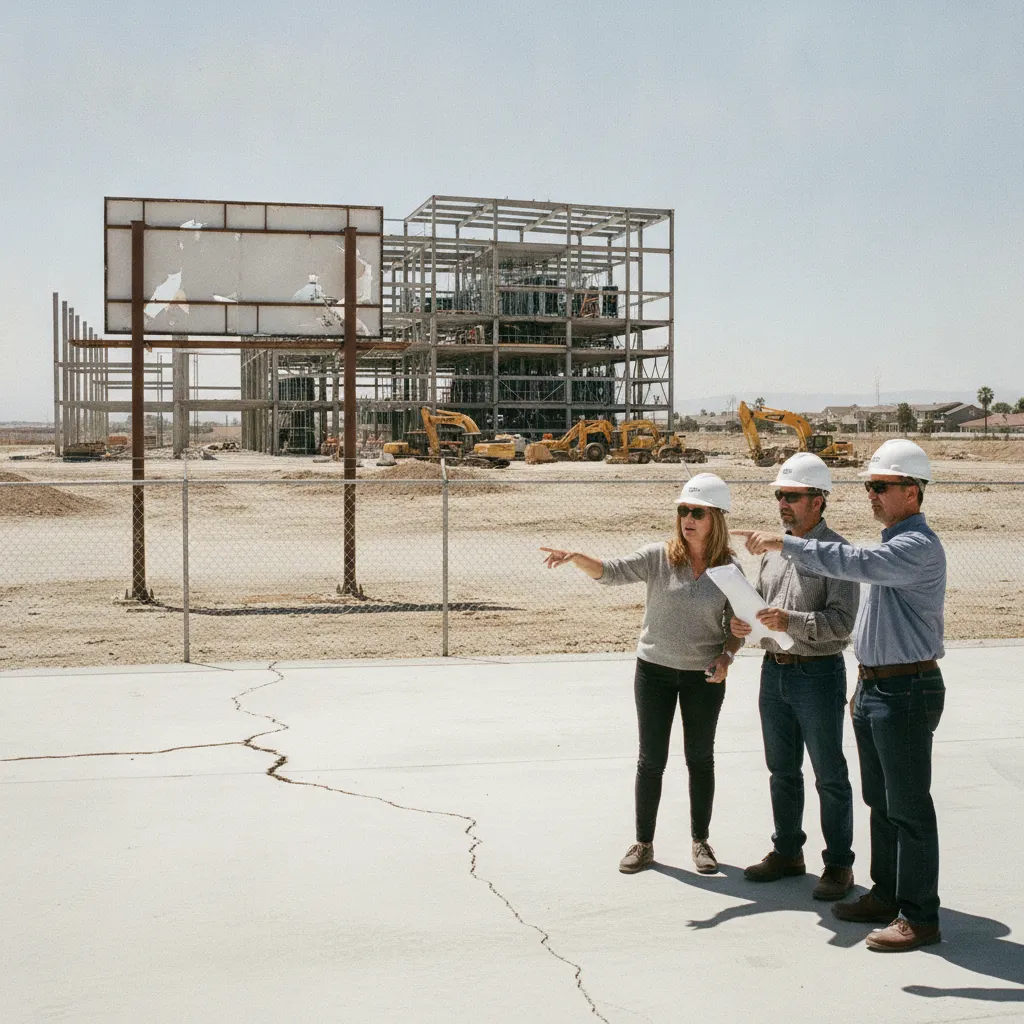
California is currently witnessing a massive surge in data center development as companies race to build the infrastructure necessary to fuel artificial intelligence. While these projects often promise significant community benefits and local upgrades, some experts warn that these promises could vanish overnight if the tech bubble bursts or corporations face bankruptcy. The concern is that while digital assets are mobile, the physical burden of failed infrastructure remains with the locals.
Writing recently about the risks associated with these developments, Rohan Sharma argues that current agreements lack sufficient teeth. He suggests that when data centers pledge to fund public improvements such as water reuse systems or cooling batteries, those obligations shouldn’t just exist on paper. If a company goes bankrupt or sells its property, a simple contractual agreement might leave a city holding an expensive piece of broken equipment with no budget to fix it.
To prevent taxpayers from footing the bill for abandoned corporate experiments, there is a growing call for mandatory financial safeguards. This would include requiring developers to provide performance bonds or prepaid funds before any ground is broken. By securing these payments upfront, local governments can ensure that long term maintenance and replacements are funded regardless of whether the business survives a market shift.
Ultimately, the goal is to balance innovation with fiscal responsibility. As AI continues to demand vast amounts of land, water, and electricity across California, advocates argue that financial security must be part of the initial bargain. The logic is simple: servers can be unplugged and moved elsewhere in an instant, but the residents living next door are permanent fixtures who cannot afford to inherit a corporate debt.